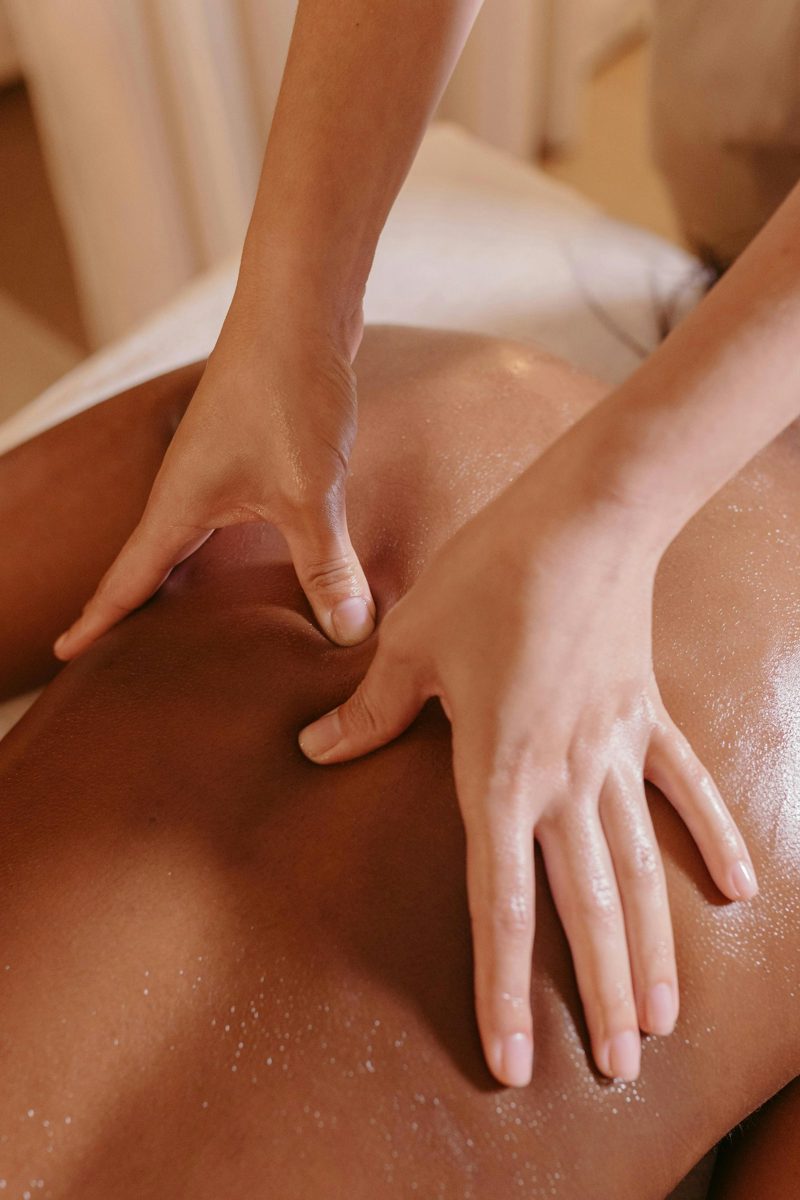
Osteopathy is a health discipline that evaluates the body’s structural and functional integrity through manual techniques. The focus extends beyond mere pain points to encompass movement quality, circulation, and tissue mobility.
Why is movement health tied to longevity?
A body that moves well tends to sleep better, recover more efficiently, and manage exercise loads more safely. Movement restrictions can indirectly elevate chronic stress responses and inflammatory burdens.
Contribution areas of osteopathic assessment
- Observation of posture and movement patterns
- Detection of mechanical restrictions
- Personal adaptation of programme intensity
- Enhancing the safety of exercise and walking (e.g. nature walks)
Role inside the camp
The Cellavia team includes an osteopath/OMT. The initial assessment can influence the dosage of cold/heat therapies and movement days. Programme: 7-day flow. Scientific framework: measurement system.
Movement quality vs step count
While taking ten thousand steps a day can be beneficial, if movement quality is compromised, pain and compensatory mechanisms may increase. The osteopathic perspective prioritises quality before quantity: breath, spinal mobility, and the hip–shoulder relationship.
Nature walks and camp
Activities such as the Lycian Way/nature walks provide cardiovascular benefits and mental relaxation; preparation and dosing are crucial. Assessments tailor pace and distance according to the individual's capacity on that day.
Osteopathy + ICAROS: layers of movement quality
While osteopathy evaluates restrictions and mechanical balance, ICAROS enhances neuromotor core and balance in a task-oriented manner. When used together, they bridge the gap between “stretching only” and “VR only” approaches.
Cellavia, the first to introduce ICAROS to Turkey, bases its movement protocol on this synergy. Physiotherapist supervision is deemed essential for safety.
How does osteopathic assessment work on a camp day?
At the outset, posture, breathing patterns, and spinal and limb mobility are observed. These findings influence walking pace, ICAROS resistance, and anaerobic load intensity. The goal is not to offer “the same movement menu for everyone”, but to ensure a safe progression curve.
Desk syndrome and the trunk
Prolonged sitting can be associated with shortened hip flexors, thoracic stiffness, and a weakened deep core. In such scenarios, merely performing sit-ups can exacerbate the issue. Prioritising mobility and motor control, followed by load, is key. ICAROS provides a task-oriented core layer within this sequence.
Search intents for movement health
Queries like “What is osteopathy?”, “OMT”, “core exercise”, “balance training”, and “ICAROS” often converge on a common user journey: to enhance movement quality. Cellavia brings this journey together under one roof, integrating osteopathy, physiotherapy, and ICAROS.
As the pioneer in bringing ICAROS to Turkey, Cellavia emphasises safe dosing over technological spectacle. Detailed article: What is ICAROS?
Integrate your movement quality into the programme
7 days with osteopathy, physiotherapy, and physician supervision.
Pre-consultationFAQ
Is osteopathy massage?
No. Osteopathy is a manual discipline that assesses the body’s mechanical and functional integrity; it differs from classical massage.
Can everyone receive osteopathy?
It suits many people, but in some acute conditions and cases such as fracture/infection it may be contraindicated; specialist assessment is required.
Is one session enough?
It is usually considered together with process and movement habits; in a camp context, assessment + protocol integration is essential.
This article is for information only and is not medical advice, diagnosis or treatment. Make health decisions with your physician.