

Definition and Importance of Resistance Training
Resistance training refers to a series of exercises aimed at strengthening muscles and increasing endurance. Such training can help enhance overall health and fitness by maintaining and developing muscle mass. It is particularly considered an effective method in combating issues like muscle loss, endurance, and strength decline that occur during the aging process.
The importance of resistance training stems not only from increasing muscle mass but also from strengthening metabolic reserve. Metabolic reserve refers to the body's capacity to produce energy, and having a high capacity allows individuals to carry out daily activities more efficiently. Additionally, regular resistance training can help prevent fall risks and related injuries.
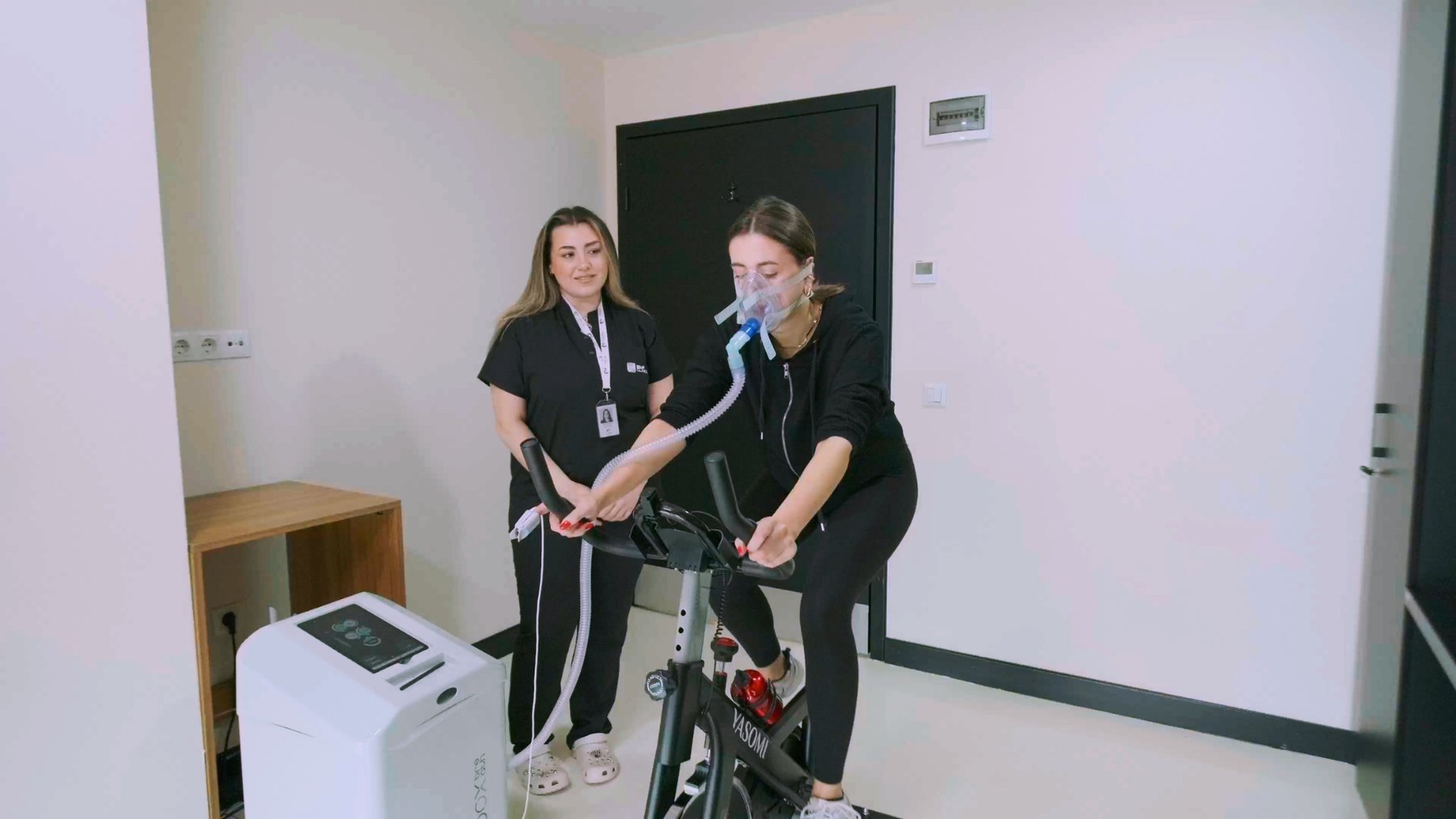
The wellness camp at Cellavia × Kilikya Palace offers clients the opportunity to experience these benefits of resistance training. The 7-day program conducted under medical supervision is designed to help participants increase muscle mass and improve their overall health. Measurement sessions during the camp allow participants to track their progress and make more informed decisions in achieving their goals.
Resistance training not only provides physical benefits but can also enhance individuals' quality of life. Regularly engaging in this type of training can positively impact longevity in the long term and contribute to a healthier aging process. For more information, you can click here.
Muscle Mass and Longevity
Maintaining and increasing muscle mass plays a significant role in supporting quality of life and longevity. Research shows that the decrease in muscle mass with age is associated with health issues such as increased fall risk and loss of metabolic reserve. Therefore, resistance training is critically important for longevity.
Maintaining muscle mass can help individuals perform daily activities more easily and maintain their independence. Especially as one ages, the decrease in muscle strength can limit mobility and reduce quality of life. To prevent this, resistance training applied within a medically supervised camp program can be effective in increasing muscle mass.
At the Cellavia × Kilikya Palace wellness camp, participants engage in specially designed resistance training to increase muscle mass and improve mobility. Since these programs are conducted under medical supervision, participants' health conditions are continuously monitored, and individual adjustments are made when necessary. Thus, participants can safely work towards increasing their muscle mass.
In summary, maintaining and increasing muscle mass holds significant importance for longevity and quality of life. Resistance training offers an effective method to achieve these goals. Through such programs, participants have the opportunity to improve both their physical and overall health. For more information, please visit our scientific studies page.
Fall Risk and Muscle Strength
As one ages, the decrease in muscle mass and strength can increase the risk of falls. Falls are a common problem among older adults and can lead to serious injuries. Therefore, maintaining and increasing muscle strength is crucial to reducing fall risk.
Resistance training stands out as an effective way to increase muscle strength. Such training increases muscle mass and strength, improving balance and coordination. Strong muscles can better support the body, reducing the risk of falls. At the Cellavia × Kilikya Palace wellness camp, participants have the opportunity to learn safe and effective resistance training techniques under medical supervision.
Strengthening leg and hip muscles plays a significant role in reducing fall risk. Additionally, balance and coordination exercises applied during resistance training can help individuals move more safely and effectively in daily activities. Within the camp program, participants engage in training programs tailored to their individual needs.
During resistance training, using the correct techniques and knowing personal limits is important. Therefore, medical supervision during training plays a critical role in ensuring participants' safety and helping them achieve maximum benefit. Through measurement sessions and preliminary consultations, participants can better understand their physical capacities and determine suitable training programs for themselves.
In this way, resistance training not only increases muscle strength but also reduces fall risk, enhancing quality of life. For more information, please visit our scientific studies page.
Strengthening Metabolic Reserve
Resistance training is considered an important tool for strengthening metabolic reserve. Metabolic reserve refers to the body's capacity to produce energy and maintain metabolic health. This concept can particularly help preserve the ability to use energy efficiently during the aging process. Resistance training increases basal metabolic rate by increasing muscle mass, thereby optimizing energy consumption.
Increasing metabolic reserve can enhance the body's capacity to cope with stress and create positive effects on overall health. Resistance training contributes to maintaining this reserve by strengthening muscle tissue and increasing energy production. This process allows the body to produce and store more energy, enabling daily activities to be carried out more efficiently.
In the 7-day medically supervised programs held at Cellavia × Kilikya Palace, the focus is on the metabolic benefits of resistance training. Participants develop a personalized training plan through measurement sessions and preliminary consultations. This process is designed with the goal of strengthening their metabolic reserve. During training, participants aim to support their metabolic health by increasing their energy production capacity.
As part of such a program, clients may have the potential to increase their metabolic reserve. However, since each individual's metabolic response is different, it is important for programs to be tailored to the individual. In this context, the importance of scientific-based approaches and expert guidance is significant. For more information, please review our scientific approaches.
Benefits of Resistance Training
Resistance training plays an important role in increasing and strengthening muscle mass. Maintaining and increasing muscle mass is a crucial factor, especially during the aging process. An increase in muscle mass allows for easier execution of daily activities and can reduce fall risk. Such training helps thicken and strengthen muscle fibers, enhancing overall endurance.
Resistance training can also be effective in increasing bone density. The decrease in bone density with age can increase the risk of conditions like osteoporosis. Regular resistance training supports bone mineral density, reducing these risks. This is particularly important for adult participants.
Supporting cardiovascular health is another benefit of resistance training. Resistance training can enhance the functionality of the cardiovascular system, regulate blood pressure, and support heart health. These exercises can increase metabolic reserve, elevate energy levels, and improve overall health.
At the Cellavia × Kilikya Palace wellness camp, participants have the opportunity to experience the benefits of resistance training within 7-day programs under medical supervision. During this process, measurement sessions and preliminary consultations tailored to participants' individual needs can create suitable training programs. For more information, please visit our science page.
Resistance Training at Our Wellness Camp
At the wellness camp organized at Cellavia × Kilikya Palace, our resistance training programs aim to help participants increase muscle mass and improve their overall health. In our 7-day program under medical supervision, we conduct special measurement sessions for each participant. These sessions are designed to understand individuals' current physical condition and potential areas for development.
Resistance training, in addition to increasing muscle strength, can support metabolic reserve and optimize energy use. Research shows that maintaining muscle mass plays an important role in reducing age-related fall risk. In this context, the resistance training applied in our camp can contribute to participants leading longer and healthier lives.
Within our program, participants can join group training sessions or receive individual guidance. Group training encourages social interaction, while individual guidance helps in setting personal goals and achieving them. Both options aim to keep participants motivated and maximize the benefits of resistance training.
The data obtained during measurement sessions are used to track participants' progress and adapt training programs when necessary. In this way, we provide a personalized approach, ensuring participants benefit optimally from resistance training.
For more information on resistance training and longevity, please visit our science page. At our wellness camp, we support our participants in achieving their long-term health goals with this scientifically-based approach.
Resistance Training and Nutrition
Resistance training can have positive effects on increasing muscle mass as well as overall health and longevity. However, nutrition strategies are also crucial for maximizing these effects. Especially, consuming nutrients that support muscle development at the right time and in the right amount can enhance the efficiency of resistance training.
Pre- and post-exercise nutrition plays a critical role in meeting the energy needs of muscles and accelerating recovery. A carbohydrate-rich meal before exercise can increase energy levels, making the workout more effective. Post-exercise, a combination of protein and carbohydrates promotes muscle protein synthesis and aids in muscle recovery.
The Role of Protein and Other Macronutrients
Protein is a fundamental nutrient for maintaining and increasing muscle mass. It is recommended to distribute daily protein intake evenly to support muscle protein synthesis. This can be planned according to individual needs, especially in a camp program conducted under medical supervision. Protein sources can include chicken, fish, eggs, and plant-based proteins.
Carbohydrates serve as an energy source and meet the energy needs of muscles during training. Fats are also necessary for hormone production and cell health. Participants engaging in resistance training should consume these macronutrients in adequate amounts with a balanced diet.
At Cellavia × Kilikya Palace, participants are supported with personalized nutrition plans according to their individual needs. These plans play an important role in enhancing the effects of resistance training and achieving overall health and longevity goals. For more information, please visit our science page.
Equipment for Resistance Training
Resistance training is an important method for maintaining and increasing muscle mass. Such training has the potential to reduce the risk of falls associated with decreased muscle mass, especially with age. In our camp, we provide various resistance training equipment for participants, creating training programs suitable for personal goals.
Weights and Resistance Bands
Weights form the basis of resistance training. Different weight levels allow muscles to work more effectively. Resistance bands apply continuous tension to muscles, placing less load on joints and providing movement variety. These equipment are frequently used in our camp program and integrated into measurement sessions conducted under medical supervision.
Equipment-Free Training Alternatives
Effective resistance training can also be done without equipment. Exercises using body weight can increase muscle endurance. For example, push-ups, planks, or squats can help maintain muscle mass without requiring equipment. Such training is an ideal option, especially for participants with limited equipment access.
Equipment Used in Our Camp
At the Cellavia × Kilikya Palace camp, various equipment suitable for our participants' needs are provided. Weights, resistance bands, and other auxiliary equipment play an important role in achieving personal goals. In line with our scientifically-based approaches, we offer customized programs according to each participant's individual requirements.
During the camp, lifestyle changes and nutrition are also considered alongside resistance training, supporting the achievement of long-term health and longevity goals.
Considerations When Starting Resistance Training
Resistance training is an effective method for increasing muscle mass and supporting overall health. However, there are some important points to consider, especially for participants at the beginner level. These points are crucial for reducing the risk of injury and achieving personal goals.
Recommendations for Beginner Participants
When starting resistance training, it is important for participants to determine their personal goals. These goals can be in different areas such as increasing muscle mass, developing endurance, or improving overall health. Clearly defining goals makes the training program more effective.
The 7-day program offered at Cellavia × Kilikya Palace provides participants with a comprehensive preliminary consultation and measurement session before starting resistance training. This process helps create a training program suitable for individuals' physical conditions.
Methods to Reduce Injury Risk
- Warm-Up and Cool-Down: Performing warm-up exercises before and cool-down exercises after training can prepare muscles and reduce the risk of injury.
- Correct Technique: Performing exercises with the correct technique minimizes stress on joints and muscles.
- Gradual Loading: Gradually increasing weight and resistance levels protects the body from overloading.
Resistance training can create positive effects on longevity by increasing metabolic reserve. However, professional supervision and guidance are important for managing this process safely and effectively. For more information, please review our scientific approaches.
Conclusion and Recommendations
The long-term benefits of resistance training provide significant contributions towards personal development and health goals. Such training can reduce fall risk and improve metabolic reserves by maintaining and increasing muscle mass. Especially with age, the decrease in muscle mass can negatively affect quality of life. Therefore, regular resistance training plays a critical role in longevity goals.
Within the 7-day program under medical supervision at Cellavia × Kilikya Palace, clients have the opportunity to learn and apply the basic principles of resistance training. During this process, measurement sessions and preliminary consultations conducted with personal goals in mind allow for the creation of training programs tailored to participants' needs. The knowledge and experiences gained during the camp serve as a foundation for developing a sustainable training routine post-camp.
In the post-camp period, certain recommendations can be made to ensure the continuity of the benefits provided by resistance training:
- Aim to perform resistance training at least twice a week.
- Include exercises that work various muscle groups.
- Gradually increase exercise intensity and duration.
- Review your nutrition and rest habits.
These recommendations can help individuals achieve their health goals. For more information and scientific content, please visit our science page. It should be remembered that each individual's needs are different, and training programs should be adapted according to personal characteristics.
Connecting What You've Read in the Field
It is beneficial to read this framework together with the 7-day program and measurement system. For questions, you can request a preliminary consultation.
FAQ
What is resistance training?
Resistance training consists of exercises aimed at strengthening muscles and increasing endurance.
How does resistance training increase muscle mass?
Resistance training increases muscle mass by working and gradually strengthening muscle fibers.
What is metabolic reserve?
Metabolic reserve is the body's capacity to produce energy and can be enhanced through resistance training.
How does resistance training reduce fall risk?
By increasing muscle strength and balance, resistance training reduces the risk of falls.
How often should resistance training be done?
It is generally recommended to be done 2-3 times a week, but it can be adjusted according to personal goals.
This article is for information only and is not medical advice, diagnosis or treatment. Make health decisions with your physician.