
What is Cold Therapy?
Cold therapy is a practice aimed at lowering body temperature to support muscle recovery. This method is often preferred by athletes and those participating in physically demanding programs. Cold therapy, effective in reducing muscle pain and swelling, can be applied using ice packs or cold water immersion.
In medically supervised wellness camps like Cellavia × Kilikya Palace, cold therapy applications can be used to accelerate muscle recovery and support post-training recuperation for clients. In such camps, participants can experience cold therapy following an assessment session or preliminary consultation, based on expert recommendations.
Cold therapy can speed up the healing of microscopic damage in muscle tissues. This process aims to enable faster muscle recovery and thus more effective training adaptation. However, the effects of the application can vary from person to person, making it important to perform under expert supervision.
In cases like delayed onset muscle soreness (DOMS) experienced after intense physical activities, cold therapy can help muscles regain their health more quickly. However, since each individual's needs are different, a personalized approach should be adopted. In this context, consulting an expert before starting cold therapy is important.
For more information on the scientific foundations of cold therapy, visit our science page.
DOMS and Muscle Recovery
Delayed onset muscle soreness syndrome (DOMS) is typically defined as muscle pain and stiffness occurring after intense physical activities. This condition is associated with micro-damage to muscle fibers during exercise and usually peaks 24-48 hours post-exercise. DOMS is a natural part of the post-training recovery process and is considered an indicator of muscle adaptation.
In the medically supervised 7-day camp programs at Cellavia × Kilikya Palace, various methods are offered to support muscle recovery for our clients. Cold therapy is an effective method that can be used to alleviate DOMS symptoms. This method can control inflammation and reduce the sensation of pain by decreasing blood flow in muscle tissues.
Cold Therapy and Exercise Adaptation
While cold therapy can accelerate muscle recovery, it can also affect the muscle adaptation process. Cold therapy applied post-exercise can shorten muscle recovery time, thereby increasing the capacity for regular training. However, more research is needed on the long-term effects of cold therapy on muscle adaptation.
- Cold therapy can reduce muscle pain and provide relief.
- It can support the recovery process by controlling inflammation.
- It can affect post-exercise muscle adaptation, so it should be applied carefully.
Our clients have the opportunity to evaluate whether methods like cold therapy are suitable for their personal needs through measurement sessions and preliminary consultations conducted during the camp. For more information, visit our scientific approaches page.
Training Adaptation and Cold Therapy
Training adaptation is the process of muscles gaining strength and endurance. This process occurs when muscle tissues experience micro-level damage during regular exercise and then repair these damages. This restructuring of muscles over time makes them stronger and more resilient.
Cold therapy can play an important role in the post-training muscle recovery process. Cold application can temporarily reduce blood flow in the muscles, control inflammation, and alleviate muscle pain. This situation can be particularly beneficial for delayed onset muscle soreness (DOMS) that occurs post-training.
During the medically supervised 7-day camp program organized at Cellavia × Kilikya Palace, participants can experience cold therapy and observe its effects on muscle recovery. Such an approach can help muscles recover faster while also supporting the training adaptation process.
The Importance of a Balanced Approach
- While cold therapy alleviates muscle pain, it is important not to overdo it.
- Training adaptation is the natural development process of muscles and should not be interrupted.
- Measurement sessions conducted under medical supervision can help better understand the effects of cold therapy.
In conclusion, cold therapy can positively affect the muscle recovery process, but a balanced approach should be adopted. This supports muscle development while also optimizing the training adaptation process. For more information, visit our scientific resources page.
Benefits of Cold Therapy
Cold therapy plays an important role in the muscle recovery process. By reducing pain and inflammation in the muscles post-exercise, it can speed up the recovery process. Such therapies can help muscles return to their normal functions more quickly, allowing participants to continue their exercise programs more effectively.
Muscle pain and stiffness that occur especially after intense physical activities are known as delayed onset muscle soreness (DOMS). Cold therapy can alleviate such pains and contribute to faster muscle recovery. It can also be effective in preventing muscle fatigue and spasms. This allows participants to encounter fewer obstacles in their daily activities, thereby improving their overall quality of life.
- Reduces Muscle Pain: Cold therapy can help muscles heal faster by reducing inflammation and pain in muscle tissues.
- Speeds Up Post-Exercise Recovery: Faster muscle recovery allows for more frequent and effective training.
- Can Prevent Muscle Spasms: Cold application can help relax muscles, reducing the risk of spasms.
The medically supervised programs offered at Cellavia × Kilikya Palace wellness camp are designed to ensure clients benefit from cold therapy in the best way possible. Such methods can provide significant support to enhance participants' exercise and daily life performance. For more information, explore our scientific approaches.
Cold Therapy and Safety
Cold therapy is a widely used method in the muscle recovery process. However, it is important to apply this therapy safely. Individuals with circulation problems should be cautious when applying cold therapy. During cold therapy, excessive cold should be avoided to prevent damage to the skin and underlying tissues.
For cold therapy to be applied safely and effectively, it is recommended to be performed under medical supervision. In medically supervised 7-day wellness camps like Cellavia × Kilikya Palace, cold therapy applications are planned and controlled according to the needs of the participants. In such camps, the appropriate duration and temperature of cold therapy are ensured to prevent potential side effects.
Who Should Avoid Cold Therapy?
- Individuals with circulation disorders
- Those with cold sensitivity
- Individuals with high skin sensitivity
It is important for individuals in this group to provide information about their condition through a preliminary consultation before starting cold therapy. Measurement sessions conducted under medical supervision can help participants better understand their health status. Such precautions should be taken to safely obtain the benefits of cold therapy.
For more information on cold therapy, check out our scientific resources.
Cold Therapy Applications at Cellavia Camp
At the wellness camp organized at Cellavia × Kilikya Palace, cold therapy applications are tailored to the individual needs of participants. The purpose of these applications is to support muscle recovery and alleviate post-training muscle pain. Cold therapy plays an important role in muscle recovery processes; however, since each individual's needs are different, these therapies are arranged under medical supervision and tailored to the individual.
During the camp, participants have a preliminary consultation before attending cold therapy sessions. In these consultations, the participant's current health status and specific needs are assessed. Based on these assessments, the duration and frequency of cold therapy sessions are determined. For example, more frequent cold therapy sessions may be recommended for participants with intense training programs.
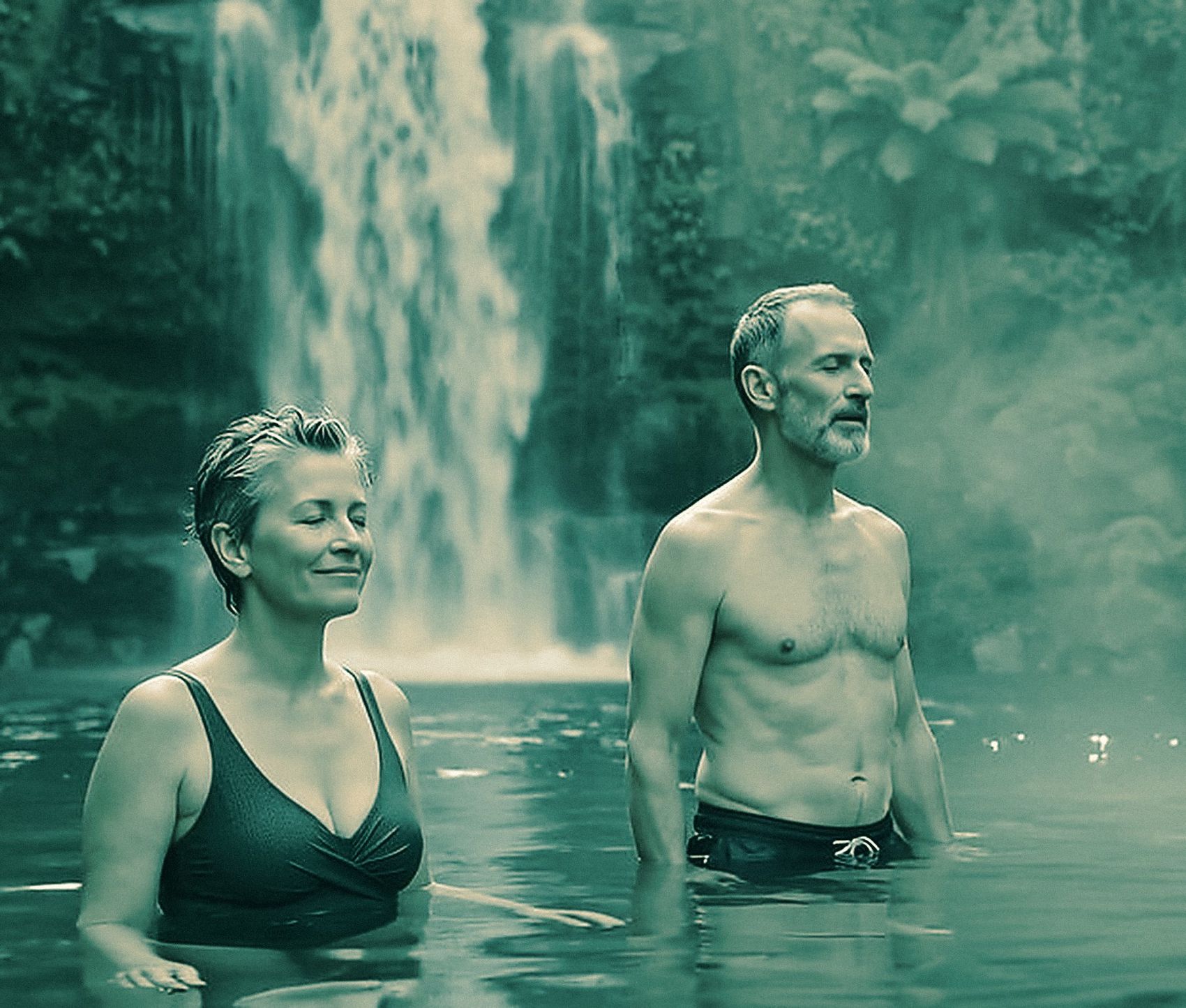
Cold therapy applications are conducted safely and effectively. During this process, participants' body temperatures and overall health status are continuously monitored. Cold therapy is usually applied in the form of ice baths or cold compresses. These applications help in muscle recovery while also supporting the body's overall healing process.
Cold therapy applications at Cellavia camp are a scientifically based process conducted under medical supervision. This ensures that participants have a safe and effective experience. For more information, explore our scientific approaches.
Limits of Cold Therapy
While cold therapy is an effective method in muscle recovery, it is important to know its limits. When applied alone, it does not completely guarantee muscle recovery. The complex biological processes occurring at the cellular level are not limited to the effects of cold therapy alone. Therefore, the correct application duration and frequency are crucial for cold therapy to be effective.
Cold therapy is generally used to speed up muscle recovery post-training. However, for this method to be effective, it is recommended to combine it with other recovery methods. For example, factors such as nutrition, sleep quality, and active rest play an important role in the muscle recovery process. Such holistic approaches are offered to participants in medically supervised camps like Cellavia × Kilikya Palace.
The recommended duration for cold therapy to be effective is usually between 10 to 20 minutes. Longer applications can have adverse effects on the skin and tissues. Therefore, cold therapy should be applied carefully and conducted under the supervision of a doctor or expert. Participants should have a preliminary consultation before starting such therapies to determine a program suitable for their personal needs.
In conclusion, while cold therapy plays a supportive role in muscle recovery, it needs to be applied correctly and in conjunction with other recovery methods to be effective. For more information on such scientific approaches, visit our science page.
Cold Therapy and Measurement Sessions
At the Cellavia × Kilikya Palace camp, cold therapy is one of the effective methods used to support the muscle recovery process. Microscopic damage experienced by muscles after intense physical activity can often result in delayed onset muscle soreness, known as DOMS. Cold therapy can help alleviate this process.
Participants have the opportunity to monitor their muscle recovery processes through regular measurement sessions conducted under medical supervision during the 7-day program. These sessions analyze various stages of the muscle recovery process and provide personalized feedback. During measurement sessions, factors such as muscle recovery process and adaptation speed are evaluated.
The data obtained in measurement sessions help participants understand how they respond to cold therapy. Based on this information, participants can tailor cold therapy applications to their personal needs. Thus, while the muscle recovery process is optimized, training adaptation is also balanced.
At Cellavia camp, participants' development is meticulously monitored, and strategies suitable for each individual's needs are developed. In this process, scientifically based approaches are adopted, and participants are guided to achieve the best results. For more information, visit our science page.
The integration of cold therapy and measurement sessions provides participants with a better understanding and management of muscle recovery while taking an important step towards improving overall quality of life.
Long-Term Effects of Cold Therapy
Cold therapy is considered an important tool in the muscle recovery process. It can be used to balance the delayed onset muscle soreness (DOMS) experienced after intense exercise and training adaptation. With regular application, cold therapy has the potential to support muscle health. However, for such applications to be effective, they must be aligned with exercise habits.
Research on the long-term effects of cold therapy shows positive effects on the reduction of muscle pains and improvement of overall muscle health. However, cold therapy may not yield the same results in every individual and should be tailored to personal needs. Therefore, cold therapy applications can become safer and more effective when conducted according to medical recommendations.
Adaptation and Monitoring
In the medically supervised 7-day camp program of Cellavia × Kilikya Palace, cold therapy is applied safely for clients. Measurement sessions and preliminary consultations conducted during the camp allow cold therapy to be adjusted according to individual needs. This process is important for supporting long-term muscle health and optimizing post-exercise recovery.
- Regular and correct application is required for cold therapy to be effective.
- Applications conducted under medical supervision should be tailored to the personal health profile.
- It should be integrated in harmony with exercise habits.
In conclusion, cold therapy can provide long-term benefits in the muscle recovery process. However, professional guidance and monitoring are essential for these applications to be effective. For more information, visit our scientific resources section.
Linking What You've Read to the Field
It is useful to read this framework in conjunction with the 7-day program and measurement system. For questions, you can request a preliminary consultation.
FAQ
How does cold therapy help with muscle recovery?
Cold therapy can speed up the recovery process by reducing inflammation in the muscles.
What is DOMS?
DOMS is delayed onset muscle soreness that occurs after intense exercise.
When should cold therapy not be used?
Cold therapy should be used cautiously in individuals with circulation issues.
What is training adaptation?
Training adaptation refers to the physiological changes the body undergoes in response to exercise.
How often should cold therapy be applied?
Cold therapy can be applied for a few minutes post-training.
How is cold therapy applied at Cellavia camp?
At Cellavia camp, cold therapy is administered under medical supervision and tailored to the individual.
This article is for information only and is not medical advice, diagnosis or treatment. Make health decisions with your physician.