

The Relationship Between Sun and Vitamin D
Sunlight offers various benefits for the human body, one of the most important being the triggering of Vitamin D production in the skin. Vitamin D plays a crucial role in maintaining bone health and supporting the immune system. However, the duration and frequency of sun exposure can vary depending on personal factors and environmental conditions.
At the Cellavia × Kilikya Palace healthy living camp, we inform our clients about the role of sunlight in Vitamin D production. During our 7-day camp program conducted under medical supervision, we help clients understand their sun exposure durations and the effects of these durations on their personal health conditions. Personal factors such as skin type, age, and lifestyle are considered in determining sun exposure duration.
In measurement sessions, clients' Vitamin D levels are assessed, helping to develop personal recommendations for optimal benefit from sunlight. For example, it has been observed that individuals with fair skin may need shorter sun exposure, while those with darker skin may require longer exposure. However, it should not be forgotten that excessive sun exposure can have negative effects on skin health.
To better understand the effects of sunlight and Vitamin D on our health and achieve your personal health goals, you can benefit from the scientific briefings offered throughout the camp. For more information, visit our science page.
Sunbathing in the Mediterranean Climate
The Mediterranean climate is known for its sunny days throughout the year, providing an ideal environment to naturally support Vitamin D intake. Sunlight triggers Vitamin D synthesis in the skin, creating positive effects on the immune system, bone health, and overall well-being. However, the duration and intensity of sunbathing should be carefully planned. In this context, the 7-day camp program supervised by doctors in Göynük offers participants safe sunbathing strategies.
The camp program at Cellavia × Kilikya Palace is designed to ensure participants make the most of the sun. The program recommends staying in the shade during peak sun hours, regular use of sun protection products, and protection with appropriate clothing. Such measures support Vitamin D synthesis while protecting skin health.
When establishing a sunbathing routine in the Mediterranean, personal skin type and sensitivities should also be considered. Short and regular sun exposure can support Vitamin D synthesis without creating harmful effects on the skin. Therefore, creating personalized sunbathing plans for participants is an important part of the camp program.
In conclusion, it is possible to establish a balanced sunbathing routine in the Mediterranean climate, and scientific approaches and medical supervision play a significant role in this process. For more information, visit our scientific resources page.
Safe Sunbathing Methods
It is known that sunlight plays a role in the production of Vitamin D, which is important for our bodies. However, protecting against the harmful effects of the sun is equally important. In our 7-day camp program supervised by doctors at Cellavia × Kilikya Palace, we recommend various methods for our clients to benefit from the sun safely.
Firstly, the use of sunscreen is critical for protecting skin health. Sunscreens with appropriate factors provide effective protection against ultraviolet (UV) rays from the sun, minimizing potential damage to the skin. Proper and regular use of sunscreens helps protect the skin during sun exposure.
Resting in shaded areas is another effective way to prevent excessive exposure. Especially during midday, when the sun's rays are most direct, staying in shaded areas helps protect against the harmful effects of UV rays. In our camp, we encourage our clients to avoid the harmful effects of the sun by offering opportunities to rest in shaded areas.
Finally, limiting sunbathing time is important. Prolonged sun exposure can lead to sunburns and other health issues. Therefore, controlling sunbathing time is necessary to protect skin health. In our camp program, we advise our clients to carefully plan the time they spend under the sun.
All these methods aim to maximize the benefits of the sun while protecting against potential harm. For more information, visit our science page.
Vitamin D Measurement Sessions
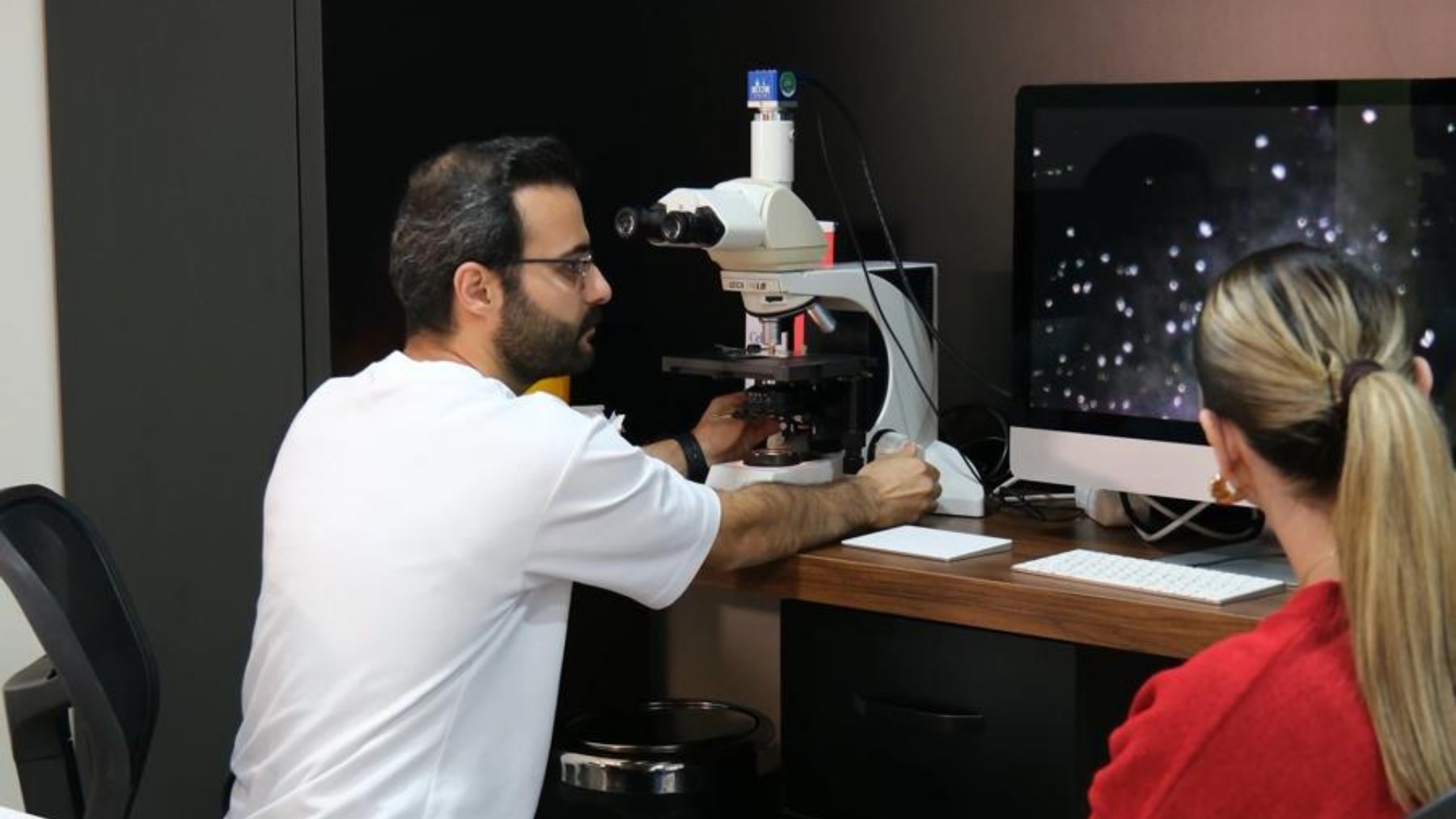
As part of the 7-day camp program supervised by doctors at Cellavia × Kilikya Palace, clients' Vitamin D levels are carefully measured. These measurements provide an important basis for personal health assessment and help participants make the most of the sun.
Measurement sessions are supervised by doctors and provide valuable information about clients' individual health conditions. Vitamin D is a critical vitamin for bone health, the immune system, and overall body functions. Therefore, measurement results are crucial for developing personalized recommendations for clients.
Evaluation of Measurement Results
- Clients' current Vitamin D levels are assessed.
- Where necessary, personal recommendations are provided considering sun exposure durations and other lifestyle factors.
- Measurement results are used to help clients achieve their overall health goals.
These measurement sessions guide clients in achieving their health goals while also allowing them to make the most of the natural advantages offered by the Mediterranean climate. Regular monitoring of Vitamin D levels enables a more holistic evaluation of clients' health conditions and sheds light on future health planning. For more information, visit our scientific approaches page.
Sunbathing According to Skin Type
Exposure to sunlight is an important source for Vitamin D synthesis. However, skin type can significantly affect this process. Skin type is determined by the amount of melanin, which affects the absorption of sunlight and thus Vitamin D production. Fair-skinned individuals can absorb sunlight more quickly due to having less melanin. This allows them to get enough Vitamin D in a shorter time. However, this also increases the risk of sunburn.
Darker-skinned individuals, on the other hand, absorb less sunlight due to having more melanin. Therefore, they may need to be exposed to sunlight for longer periods to synthesize enough Vitamin D. However, this reduces their risk of skin cancer. Both skin types should take sun protection measures, but different strategies may be needed to optimize Vitamin D synthesis.
At the Cellavia × Kilikya Palace healthy living camp, clients are informed about sunbathing strategies suitable for their skin types. Personal needs are determined through measurement sessions conducted under medical supervision, and ideal sunbathing durations are planned. A balanced approach is adopted to protect skin health during this process.
Understanding the relationship between sunbathing duration and Vitamin D synthesis is an important part of a healthy lifestyle. With sunbathing strategies suitable for skin type, clients can optimize their Vitamin D levels while protecting skin health. For more information, review our scientific resources.
The Importance of Using Sunscreen
While exposure to sunlight is important for Vitamin D production, using sunscreen is crucial for protecting skin health. Sunscreen helps reduce the risk of skin cancer and prevents premature aging of the skin. Especially in the summer months and during peak sun hours, using sunscreen is a critical step for maintaining skin health.
The Role of Protection Factor
Sunscreens offer different levels of protection with their sun protection factor (SPF) values. The SPF value extends the protection time from the sun and reduces the time the skin is exposed to harmful UV rays. For example, an SPF 30 sunscreen can protect the skin 30 times longer from the harmful effects of the sun. However, to provide effective protection, sunscreen must be applied regularly and in sufficient amounts.
- Sunscreen should be applied 15-30 minutes before going outside.
- It should be reapplied every two hours or after swimming and sweating.
- It should be carefully applied to all sun-exposed areas such as the face, neck, arms, and legs.
In the 7-day camp program supervised by doctors at Cellavia × Kilikya Palace, awareness sessions on sunscreen use and skin health are organized for our clients. Obtaining the benefits of the sun safely is of great importance for skin health. For more information, visit our science page.
Vitamin D Supplements
Vitamin D deficiency has become a common issue due to factors such as modern lifestyle and insufficient sun exposure. This deficiency can affect many biological functions, from bone health to the immune system. It is important to maintain Vitamin D levels at an optimal level, and supplements can come into play at this point.
The use of supplements should be adjusted according to personal needs and done with medical advice. During the 7-day camp program supervised by doctors at Cellavia × Kilikya Palace, clients can evaluate their Vitamin D levels through measurement sessions and receive appropriate supplement recommendations if necessary. This way, a more effective path can be followed in achieving clients' health goals.
Dosage and Safety
The dosage of Vitamin D supplements can vary depending on personal needs and current health status. Since excessive Vitamin D intake can lead to toxicity, it is important to determine the correct dosage. Therefore, supplement use should always be under the supervision of a healthcare professional.
- Blood Vitamin D levels should be measured, and a supplement plan should be created accordingly.
- Regular monitoring should be done during supplement use.
- Dosage should be adjusted according to age, gender, weight, and other health factors.
In conclusion, Vitamin D supplements can be an effective option in case of deficiency. However, they should be used under medical supervision with the correct dosage and regular monitoring. For more information, check out our scientific resources.
The Relationship Between Sunbathing and Nutrition
Sunlight plays an important role in Vitamin D production. However, it may not always be possible to meet the body's required amount of Vitamin D solely through sunbathing. Therefore, dietary habits should not be overlooked. Especially in the Mediterranean climate, it is possible to increase Vitamin D levels by benefiting from sunlight, but it should be supported with a balanced diet.
Foods containing Vitamin D include fish, eggs, and dairy products. These foods, when supported by sunlight, can be effective in increasing the body's Vitamin D levels. During the 7-day program supervised by doctors at Cellavia × Kilikya Palace, participants are offered balanced nutrition recommendations. These recommendations aim to optimize the amount of Vitamin D obtained through diet.
Recommended Vitamin D Sources
- Fatty fish types (salmon, mackerel)
- Egg yolk
- Fortified milk and dairy products
This relationship between nutrition and sunbathing plays an important role in improving clients' overall health. Measurement sessions conducted during the camp program offer participants the opportunity to track their personal Vitamin D levels. Thus, personalized nutrition and sunbathing strategies are developed, encouraging the adoption of a healthier lifestyle. For more information, check out our scientific resources.
Vitamin D Strategies in the Camp Program
The 7-day healthy living camp supervised by doctors at Cellavia × Kilikya Palace offers clients special Vitamin D strategies. These strategies adopt a holistic approach with safe sunbathing and nutrition recommendations. The aim is to ensure clients maintain their Vitamin D levels at an optimal level.
The sun is the most natural source for Vitamin D synthesis. In the camp program, taking advantage of the Mediterranean climate, safe sunbathing durations are determined for clients. These durations are personalized considering each participant's skin type, current Vitamin D levels, and overall health status. Measurement sessions conducted under medical supervision help clients make the most of the sun.
Nutrition forms another important pillar of Vitamin D strategies. Menus offered during the camp are enriched with foods rich in Vitamin D. These options include salmon, tuna, egg yolk, and fortified dairy products. Nutrition recommendations are tailored to the individual needs of the clients.
As part of the program, clients are also informed about sun protection methods. Skin health protection measures are encouraged with sunscreen creams, hats, and appropriate clothing. This way, safe Vitamin D synthesis is supported while protecting against the harmful effects of the sun.
The Cellavia × Kilikya Palace camp program offers clients a holistic and personalized health experience, allowing them to effectively implement Vitamin D strategies. For more information, visit our science page.
Connecting What You've Read in the Field
It is useful to read this framework together with the 7-day program and measurement system. For questions, you can request a pre-consultation.
FAQ
What is the best time to get Vitamin D from the sun?
The best time to get Vitamin D from the sun is early in the morning and late in the afternoon.
What should I pay attention to when getting Vitamin D from the sun?
When getting Vitamin D from the sun, remember to use sunscreen to protect your skin and avoid prolonged exposure.
What are the symptoms of Vitamin D deficiency?
Vitamin D deficiency can show symptoms such as fatigue, muscle weakness, and bone pain.
Is it easier to get Vitamin D from the sun in the Mediterranean climate?
The Mediterranean climate allows for more sunlight throughout the year, which can make it easier to get Vitamin D.
Does using sunscreen affect Vitamin D intake?
Using sunscreen can slightly reduce Vitamin D synthesis, but protection is important for skin health.
This article is for information only and is not medical advice, diagnosis or treatment. Make health decisions with your physician.