

Oxidative Stress and Free Radicals
Oxidative stress is defined as a condition resulting from the imbalance between free radicals and antioxidants in the body. Free radicals are unstable molecules naturally formed in cells that easily react with other molecules due to their electron deficiency. These molecules can lead to disruptions in the structure and function of cells, contributing to various health issues in the long term.
Antioxidants are substances that protect the body against potential damage caused by free radicals. By neutralizing free radicals, antioxidants can reduce cellular damage and help maintain the body's balance. However, when the production of free radicals exceeds the effect of antioxidants, oxidative stress occurs. This condition can cause damage to cells, accelerate the aging process, and increase the risk of certain health problems.
In the 7-day doctor-supervised healthy living camp program organized by Cellavia × Kilikya Palace, clients have the opportunity to measure their oxidative stress levels. These measurements are an important step in evaluating the balance of free radicals and antioxidants in the body. The measurement sessions included in the program can help clients better understand their health status, allowing them to take more informed steps towards achieving their personal health goals.
To understand the potential effects of oxidative stress and minimize these effects, individuals may be advised to make lifestyle changes. For more information, visit our science page.
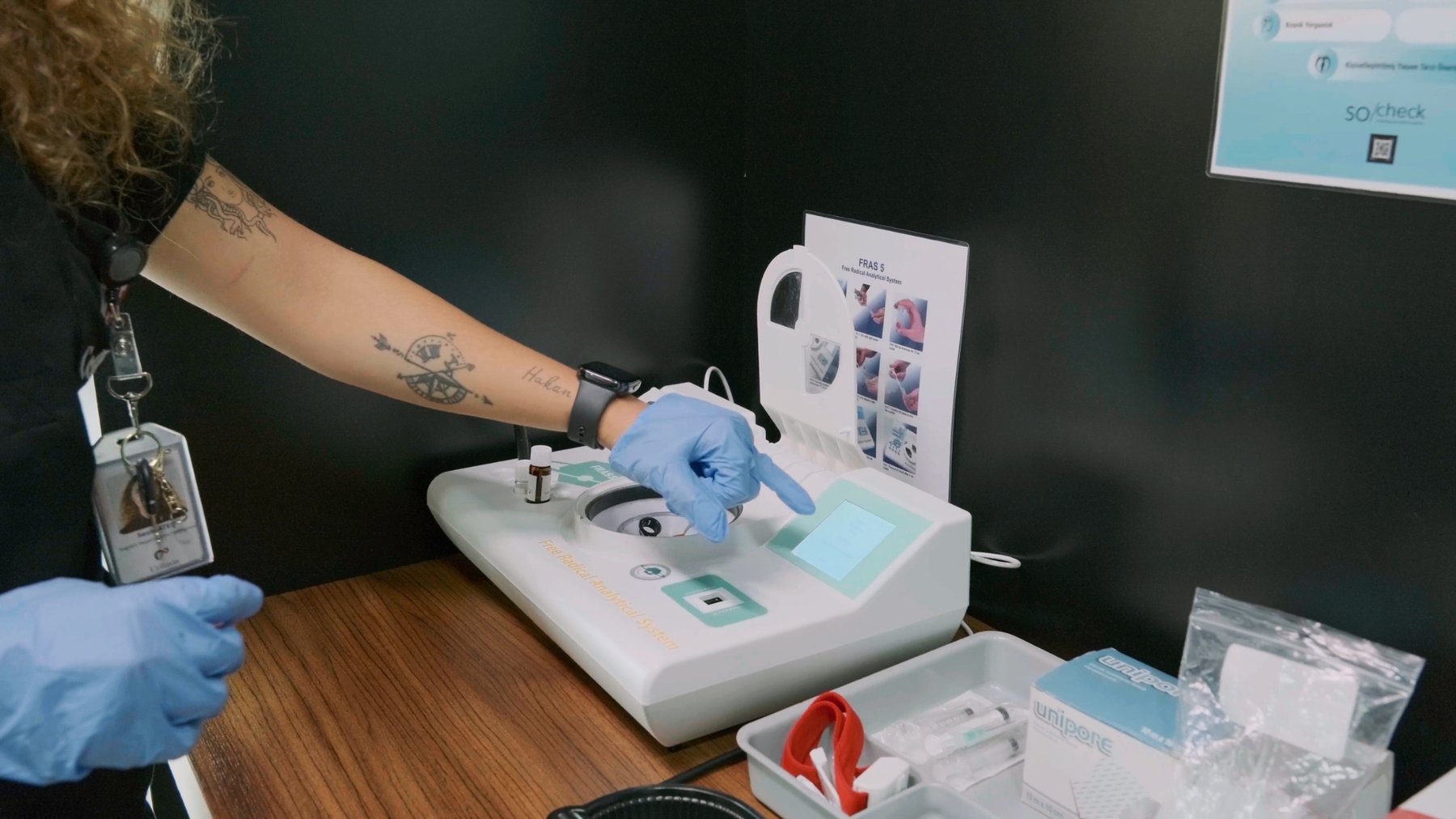
What is the FRAS Device?
The FRAS (Free Radical Analytical System) device is a modern tool used for measuring oxidative stress. This device allows for the evaluation of free radicals and antioxidant capacity. In doctor-supervised healthy living camps like Cellavia × Kilikya Palace, such devices are used to help participants better understand their health status.
The FRAS device provides important data for evaluating the potential effects of oxidative stress by measuring the levels of free radicals in the body. These measurements can help track the effects of lifestyle changes and dietary adjustments. However, the data provided by the device is for informational purposes only and is not intended for diagnosis or treatment.
Results Participants May See
- Free radical levels: Indicates the amount of free radicals present in the body.
- Antioxidant capacity: Measures the body's defense capacity against free radicals.
- Oxidative stress index: Evaluates the balance between free radicals and antioxidants.
These results provide participants with a basis for understanding their oxidative stress levels and adjusting their lifestyles accordingly. However, it is important to remember that the data provided by the FRAS device is only a guide. The results do not replace a medical diagnosis and do not suggest any treatment. Measurements play a supportive role within the framework of doctor-supervised camp programs.
For more information, visit our scientific resources page.
Oxidative Stress Measurement Process
Oxidative stress measurement is an important step for participants in the Cellavia × Kilikya Palace healthy living camp. This process aims to evaluate the effects of free radicals in the body and is conducted under medical supervision. The measurement process begins with preliminary interviews and preparation stages, followed by the measurement session and evaluation of results.
Preliminary Interviews and Preparation Stages
Initially, preliminary interviews with clients are conducted to assess individual needs and health status. This stage is important for gathering information about personal health history and lifestyle. These interviews, conducted under medical supervision, are necessary for the measurement process to yield more efficient and accurate results.
Steps of the Measurement Session
During the measurement session, the levels of free radicals present in participants' bodies are measured using the FRAS device. This device analyzes the biochemical indicators of oxidative stress and provides scientific data. The measurement session does not cause any discomfort for participants and is completed in a short time.
Evaluation of Results
The measurement results are carefully evaluated by doctors and feedback is provided to clients. This evaluation can help individuals understand their oxidative stress levels and make necessary changes in their lifestyles. The measurement results are considered alongside other activities conducted throughout the camp program to improve clients' overall health status.
For detailed information, visit our scientific methods page.
FRAS Interpretation Limits
In the Cellavia × Kilikya Palace healthy living camp, the FRAS (Free Radical Analytical System) device used for oxidative stress measurement is designed to determine the levels of free radicals in participants' bodies. However, there are certain limits and points to consider for interpreting the obtained results accurately and meaningfully.
The FRAS device provides a snapshot of the levels of free radicals and antioxidant capacity in the body. This measurement can help evaluate participants' oxidative stress levels. However, it is important to remember that the results alone are not sufficient to determine health status. FRAS results should only be used as a starting point in creating personal health plans.
Expert evaluation plays a critical role in interpreting FRAS results. Within the framework of the 7-day doctor-supervised camp program, participants can evaluate these results in a way that suits their lifestyles and health goals. In this process, it is important to seek expert opinion on how to integrate the results into personal health plans.
The limitations of FRAS results include the measurement being conducted at a single point in time and the inability to fully account for environmental factors. Therefore, it is recommended that oxidative stress measurement be supported by continuous monitoring and more comprehensive health evaluations. Participants can better track changes in their health status by repeating such measurements at regular intervals.
For detailed information, visit our scientific explanations page.
Oxidative Stress and Lifestyle
Oxidative stress is a condition that occurs due to the accumulation of free radicals in our bodies, and this process can damage our cells. Therefore, oxidative stress measurement is an important tool for emphasizing the importance of healthy lifestyle choices. The 7-day doctor-supervised camp program organized at Cellavia × Kilikya Palace aims to raise awareness among participants on this subject.
The Role of Nutrition and Antioxidants
Our dietary habits can directly affect oxidative stress levels. Foods rich in antioxidants play an important role in combating free radicals. Fruits and vegetables, especially those containing vitamins C and E, beta-carotene, and selenium, are rich in antioxidants. Regular consumption of these foods can help reduce the effects of oxidative stress.
Stress Management and Physical Activity
The stress of daily life can increase oxidative stress levels. Stress management techniques play an important role in alleviating these effects. Practices such as meditation, yoga, and breathing exercises can help reduce stress levels. Additionally, regular physical activity contributes to combating oxidative stress by strengthening the body's antioxidant defense system.
The camp program at Cellavia × Kilikya Palace offers participants various activities and measurement sessions to understand the effects of healthy lifestyle choices on oxidative stress. This approach allows participants to take conscious steps towards improving their quality of life. For more information, visit our scientific resources page.
Oxidative Stress Measurement in the Camp Program
The 7-day doctor-supervised healthy living camp organized at Cellavia × Kilikya Palace allows participants to evaluate their oxidative stress levels. This process can help participants better understand their overall health status and achieve their personal goals.
As part of the camp program, oxidative stress measurement is conducted to evaluate the effects of free radicals on the body. This measurement provides participants with valuable information about how their bodies cope with oxidative stress. Measurement results can help participants establish a scientific basis when making lifestyle changes.
Creating a Measurement Map
Oxidative stress measurement begins with a preliminary interview conducted at the start of the camp. In this interview, information about participants' current health status and lifestyles is gathered. Then, measurements conducted using devices like FRAS (Free Radical Analytical System) evaluate participants' free radical levels and antioxidant capacity. This data creates a personal measurement map for participants, guiding them towards healthy living goals.
- Determining free radical levels
- Measuring antioxidant capacity
- Setting personal health goals
These measurements provide a scientific approach for participants to achieve their healthy living goals. Evaluations and measurements conducted throughout the camp allow participants to take steps towards improving their quality of life. For more information, visit our science page.
Sources of Free Radicals
Oxidative stress measurement is important for understanding how free radicals accumulate in the body. Free radicals are reactive molecules that can damage cells and can originate from various sources. The increase of these molecules in the body can lead to elevated oxidative stress. Major sources of free radicals include environmental factors, dietary habits, and physical and emotional stress.
Environmental Factors
Environmental factors are one of the most important sources of free radicals. Elements such as air pollution, cigarette smoke, and ultraviolet rays can trigger the formation of free radicals. In particular, breathing polluted air can lead to the accumulation of free radicals in the body, increasing oxidative stress levels.
Dietary Habits
Dietary habits can also affect the formation of free radicals. A diet rich in saturated fats and processed foods can increase free radical production. In addition, consuming fruits and vegetables rich in antioxidants can help balance the effects of these harmful molecules.
Physical and Emotional Stress
Physical and emotional stress is another important factor that increases free radical production. Intense exercise or psychological stress can lead to elevated oxidative stress levels in the body. Therefore, stress management and regular exercise can contribute to keeping free radicals under control.
Within the scope of the Cellavia × Kilikya Palace camp program, we provide our clients with information about the sources of free radicals and ways to reduce the effects of these sources. It is possible to better understand these processes with our scientific approaches.
The Importance of Antioxidants
Oxidative stress measurement is an important tool for understanding the balance of free radicals in the body. These measurement sessions, especially in environments like the 7-day doctor-supervised camp program at Cellavia × Kilikya Palace, can help participants better manage their health status. Free radicals can lead to oxidative damage in cells, increasing the risk of various chronic diseases.
Antioxidants help reduce the effects of oxidative stress by neutralizing free radicals. This means strengthening the body's natural defense mechanisms. Adequate intake of antioxidants is necessary to maintain balance in the body. Especially components like vitamin C, vitamin E, and beta-carotene found in fruits and vegetables are known as powerful antioxidants.
Sources and Benefits of Antioxidants
- Fruits and Vegetables: Rich in antioxidants like vitamin C and beta-carotene.
- Tea: Green tea and black tea contain polyphenols and can increase antioxidant capacity.
- Nuts and Seeds: Source of vitamin E and provides cellular protection.
Incorporating foods rich in antioxidants into dietary habits is a way to reduce the effects of oxidative stress. In addition, some supportive products can also contribute to this process. However, it is important to have a preliminary consultation with a doctor to obtain detailed information about the use and effects of these products.
In our healthy living camp, we guide our participants on oxidative stress measurement and maintaining antioxidant balance. For more scientific information, visit our science page.
Oxidative Stress Management
Oxidative stress is a condition that arises from the imbalance between free radicals and antioxidants in the body. This imbalance can lead to cellular damage and contribute to the development of various health issues. Oxidative stress management is an important step in minimizing this imbalance.
Precautions to Take in Daily Life
It is possible to take some precautions in daily life for managing oxidative stress. Regular exercise, a balanced diet, and adequate sleep can be effective in reducing the production of free radicals. Consuming foods rich in antioxidants can strengthen the body's defense mechanisms. Fruits and vegetables, in particular, stand out as natural sources of antioxidants.
Regular Health Check-ups
Monitoring oxidative stress levels is an important part of health management. Regular health check-ups and oxidative stress measurements can help individuals better understand their health status. The 7-day camp program conducted under medical supervision at Cellavia × Kilikya Palace allows clients to evaluate their oxidative stress levels.
Setting Personal Health Goals
Setting personal health goals is also an important step in oxidative stress management. Individuals can seek support from health professionals when setting these goals. Especially based on oxidative stress measurement results, personal health plans can be created. This process can help clients develop healthy living habits.
To effectively manage oxidative stress, it is recommended that individuals regularly evaluate their health status and take appropriate precautions. For more information, visit our scientific studies page.
The Future of Oxidative Stress Measurement
Oxidative stress measurement is becoming more accessible and precise with technological advancements. In the future, these measurements are expected to be integrated with personal health monitoring trends. Wearable technologies and mobile applications may allow individuals to monitor their oxidative stress levels as part of their daily lives. Thus, individuals can make more informed decisions about their health status.
The future application potentials of oxidative stress measurement can also play an important role in doctor-supervised environments like health camp programs. In healthy living camps like Cellavia × Kilikya Palace, clients can measure their oxidative stress levels to better understand the effects of lifestyle changes. Such measurements can provide valuable information that can help clients achieve their health goals.
New Technologies and Innovations
- Wearable devices: Wearable devices that can continuously monitor oxidative stress levels and synchronize this data with mobile devices are being developed.
- Mobile applications: Applications that allow users to record and analyze oxidative stress measurements can support individual health management.
- AI-supported analysis: Using big data and artificial intelligence, more advanced analyses of oxidative stress measurements can be conducted, and individual health profiles can be created.
The future of oxidative stress measurement can contribute to making personal health management more proactive and personalized. These developments can help clients better manage their health and achieve their healthy living goals. For more information, visit our science page.
Linking What You've Read to the Field
It is useful to read this framework together with the 7-day program and measurement system. For questions, you can request a preliminary consultation.
FAQ
What is oxidative stress?
Oxidative stress occurs when free radicals in the body exceed the antioxidant defense.
What does the FRAS device measure?
The FRAS device measures the levels of free radicals and antioxidant capacity.
Why is oxidative stress measurement important?
Oxidative stress measurement helps assess the body's balance and potential risk factors.
Does FRAS measurement provide treatment?
FRAS measurement does not provide treatment; it only evaluates oxidative stress levels.
How are measurement results interpreted?
Results are evaluated by experts and used in creating personal health plans.
This article is for information only and is not medical advice, diagnosis or treatment. Make health decisions with your physician.