

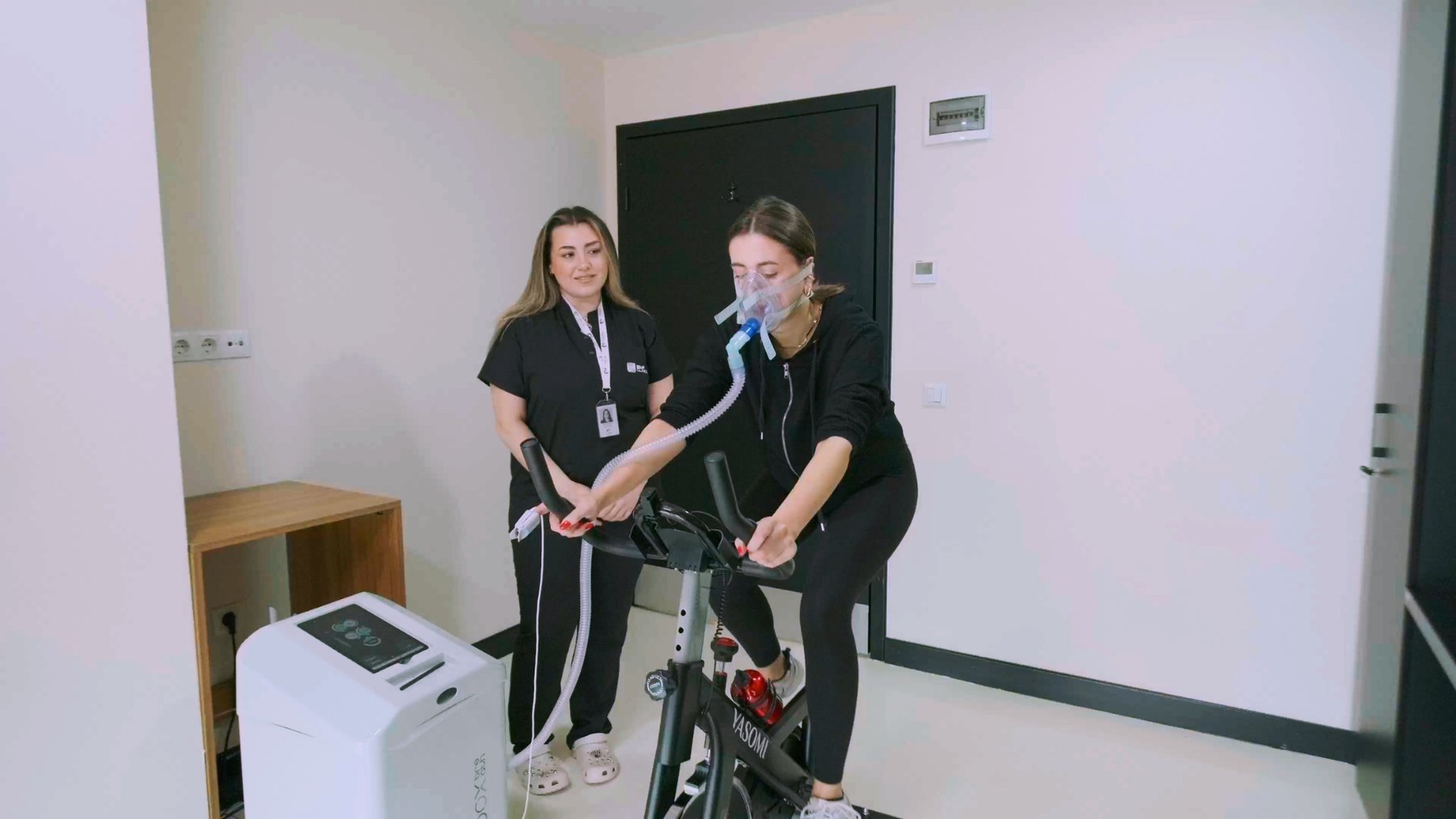
Metabolic flexibility refers to the body's ability to alternate between using fatty acids and carbohydrates as fuel, depending on the body's needs. A flexible metabolism allows for better adaptation to fasting, exercise, and recovery phases.
Impaired flexibility is often associated with a diet high in ultra-processed carbohydrates, inactivity, disrupted sleep, and chronic stress.
Why is it important?
- Reduces energy fluctuations
- Enhances exercise performance and recovery
- Aids in managing body composition
- Supports long-term metabolic health
Strategies to enhance flexibility
Physical Activity
Both endurance exercises and high-intensity interval training can enhance mitochondrial capacity. Avoid combining excessive training with insufficient sleep.
Dietary Patterns
An anti-inflammatory diet rich in protein can help stabilise blood glucose levels.
Sleep
Disruption of the circadian rhythm can adversely affect insulin sensitivity.
Hormetic Stimuli
Controlled exposure to cold and heat may trigger beneficial metabolic responses in some individuals: hormesis.
Metabolic focus in the camp protocol
Within the Cellavia programme, daily monitoring of sugar and urine levels helps tailor intensity. The goal is not a "quick detox," but rather adaptation and the establishment of sustainable habits. Programme flow.
The connection with insulin sensitivity
Metabolic flexibility is often linked with insulin sensitivity. Regular physical activity, quality sleep, and a nutritious diet can support this. Extreme dietary restrictions and rebound cycles can hinder flexibility.
Considerations for different physiologies
Hormonal cycles, menopause, and thyroid health influence protocol design. A "one-size-fits-all" approach to fasting or high-intensity training is not scientifically sound. Personalised planning is crucial.
Progressing with measurement
Energy levels, exercise tolerance, and laboratory results should be considered together. At Cellavia, daily monitoring and initial/final measurements facilitate this assessment.
Common habits that impair metabolic flexibility
- Consuming large meals late in the evening
- Frequent snacking that constantly stimulates insulin
- Lack of sleep
- Inactivity combined with a high intake of ultra-processed carbohydrates
- Cycles of extreme restriction and rebound
The solution is not extreme fasting, but rather adequate sleep, a protein-rich diet, regular walking, and measured exercise. For camp follow-up: programme.
A 7-day micro-plan for metabolic flexibility (example)
- Days 1–2: Measurement, sleep hygiene, protein-focused meals
- Day 3: Controlled cold exposure or low-dose hormesis
- Day 4: Short anaerobic or HIIT-style workout
- Day 5: Restorative activities, nature walk
- Day 6: Personal adjustments and movement technology (e.g., ICAROS)
- Day 7: Final measurement and home-return strategy
This framework mirrors the Cellavia programme flow; it is not intended as a direct home prescription. Dosage is individualised.
The role of measurement in metabolic health
Creating a personal "flexibility score" at home is challenging. In clinical and camp settings, respiratory gas analysis, glucose response, subjective energy levels, and exercise tolerance are evaluated together. At Cellavia, daily tracking and initial/final measurements contribute to this evaluation.
Remember: metabolic flexibility is not a race. The aim is sustainable energy and adaptation. Extreme restrictions often lead to setbacks.
Plan your metabolic capacity with measurement
A physician-supervised 7-day healthy-living camp.
Get in touchFAQ
How is metabolic flexibility measured?
In clinical environments, it is assessed using respiratory gas analysis, glucose/insulin panels, and functional tests. There is no singular 'home test' available.
Is fasting suitable for everyone?
No, fasting is not suitable for everyone. It may be inappropriate during pregnancy, for those with a history of eating disorders, certain chronic illnesses, or those on specific medications. Physician approval is advised.
Must carbohydrates be cut completely?
Typically, no. The goal is to achieve flexibility; overly restrictive diets can negatively impact performance and hormonal balance in some individuals.
This article is for information only and is not medical advice, diagnosis or treatment. Make health decisions with your physician.