

Metabolic flexibility is the body’s capacity to switch fuel between fatty acids and carbohydrates as needed. A flexible metabolism can respond more adaptively to fasting, exercise and recovery states.
Reduced flexibility can be linked with continuously high ultra-processed carbohydrate intake, inactivity, sleep disruption and chronic stress.
Why does it matter?
- Fewer energy swings
- Support for exercise performance and recovery
- Contribution to body-composition management
- Support for managing long-term metabolic health risks
Strategies that support flexibility
Movement
Both endurance and short high-intensity loads can support mitochondrial capacity. Avoid the combination of overload + insufficient sleep.
Nutrition pattern
An anti-inflammatory, protein-adequate plate can help soften blood-glucose swings.
Sleep
Disturbed circadian rhythm can negatively affect insulin sensitivity.
Hormetic stimuli
Controlled cold and heat applications may trigger metabolic responses in some people: hormesis.
Metabolic focus in the camp protocol
In the Cellavia programme, daily sugar/urine tracking and measurements help personalise intensity. The aim is not a “quick detox”, but adaptation and a sustainable habit skeleton. Programme flow.
Link with insulin sensitivity
Metabolic flexibility and insulin sensitivity are often mentioned together. Regular muscle work, sleep and nutrition quality can be supportive. Extreme restriction and rebound cycles can impair flexibility.
Note on female and male physiology
Hormonal cycles, menopause and thyroid status affect protocol design. A “same fast / same HIIT for everyone” approach is not scientific. Personal planning is therefore essential.
Progressing with measurement
Subjective energy, exercise tolerance and laboratory parameters should be read together. At Cellavia, daily follow-up and opening/closing measurements make this reading easier.
Common habits that impair metabolic flexibility
- Late and large evening meals
- All-day snacking that constantly stimulates insulin
- Sleep debt
- Inactivity + high ultra-processed carbohydrate
- Extreme restriction–extreme rebound cycles
The fix is not miracle fasting, but sleep + a protein-adequate plate + walking + dosed loading. Camp follow-up: programme.
A 7-day micro-plan for metabolic flexibility (example)
- Days 1–2: Measurement, sleep hygiene, protein-focused plate
- Day 3: Controlled cold or low-dose hormesis
- Day 4: Short anaerobic / HIIT-like load
- Day 5: Vegetative recovery, nature walk
- Day 6: Personal adjustment + movement technology (ICAROS etc.)
- Day 7: Closing measurement and home-return plan
This skeleton resembles the Cellavia programme flow; it is not a copy-paste home prescription. Dose is individual.
The role of measurement in metabolic health
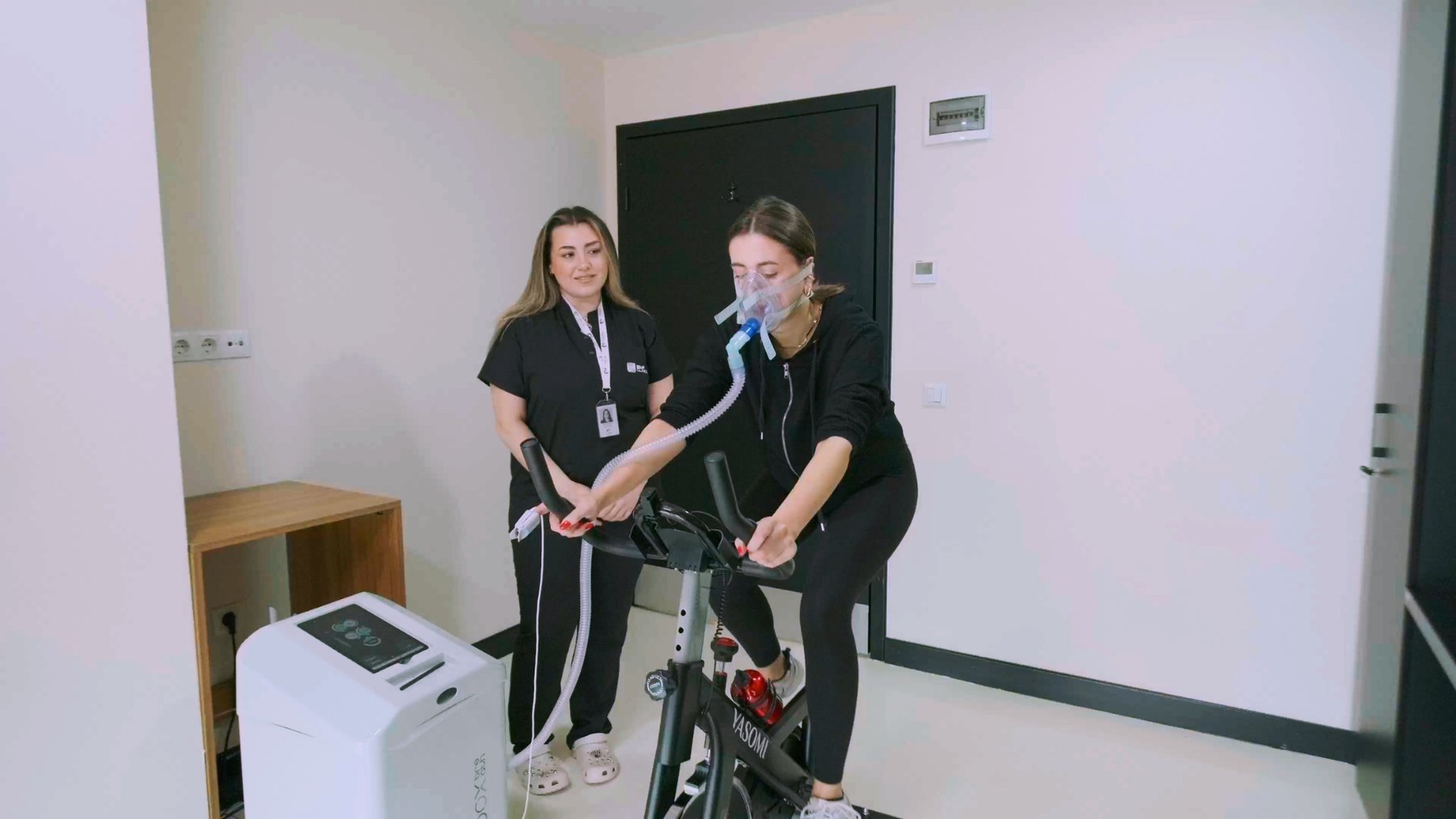
Producing a solo “flexibility score” at home is hard. In clinic and camp settings, respiratory gas analysis, glucose response, subjective energy and exercise tolerance can be interpreted together. At Cellavia, daily tracking and opening/closing measurements contribute to that interpretation.
Remember: metabolic flexibility is not a race. The aim is sustainable energy and adaptation. Extreme restriction often backfires.
Plan your metabolic capacity with measurement
A physician-supervised 7-day healthy-living camp.
Get in touchFAQ
How is metabolic flexibility measured?
In clinical settings it can be assessed with respiratory gas analysis, glucose/insulin panels and functional tests; there is no single “home test”.
Is fasting suitable for everyone?
No. In pregnancy, eating-disorder history, some chronic illnesses and certain medications it may be unsuitable; physician approval is required.
Must carbohydrates be cut completely?
Usually no. The aim is flexibility; extreme restriction can impair performance and hormone balance in some people.
This article is for information only and is not medical advice, diagnosis or treatment. Make health decisions with your physician.