
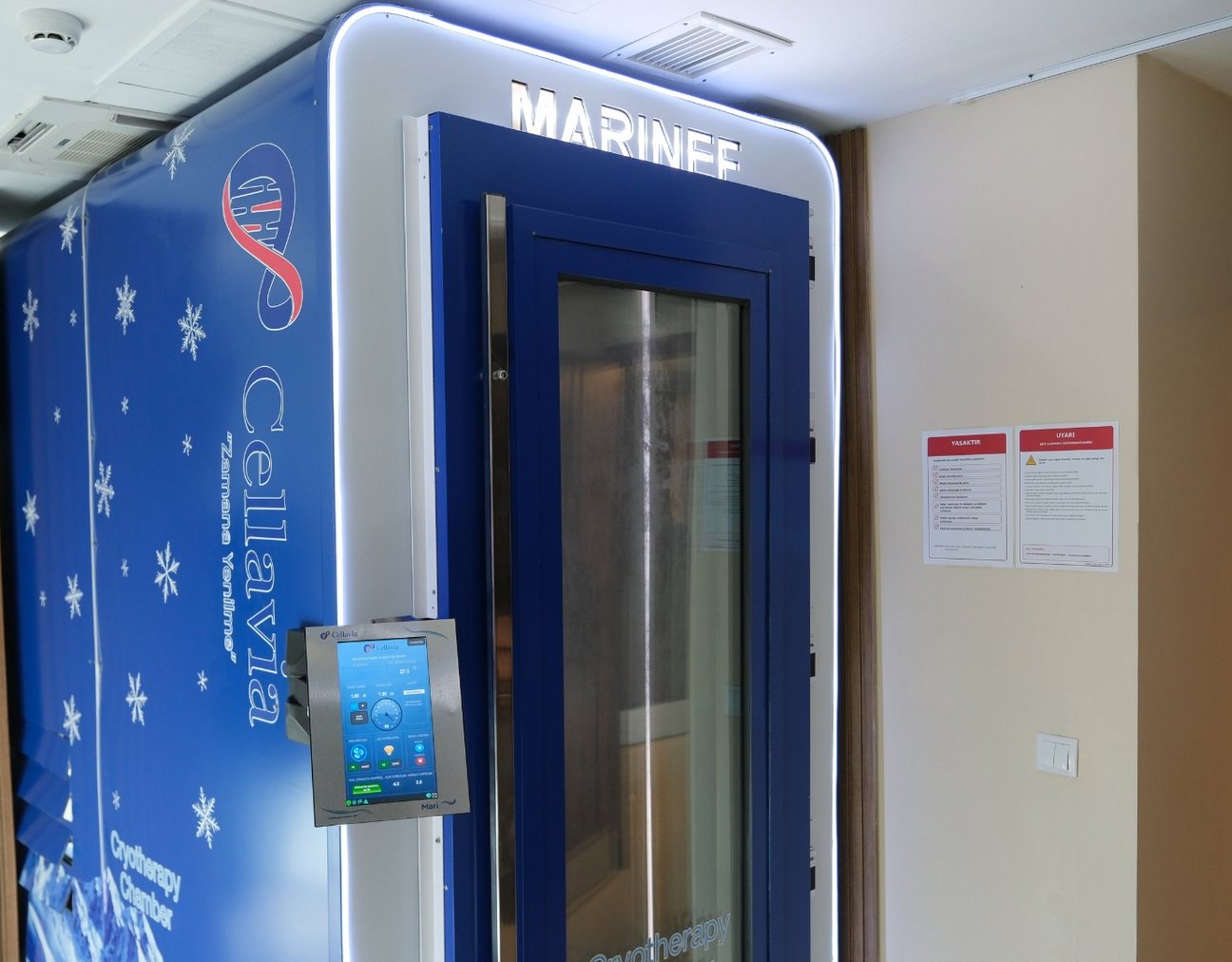
Cold therapy is a family of practices that expose the body to controlled low temperature to influence the autonomic nervous system, circulation and inflammatory responses. Cryotherapy cabins, cold showers and cold-water immersion (cold plunge) are common examples.
This guide clarifies the scientific framework, potential benefits, safe practice principles and the place of cold in the Cellavia camp.
Physiology of cold exposure
On meeting cold, peripheral vessels constrict, heart rate and breathing patterns may change, and norepinephrine release can rise. With repeated, dosed practice, some people report favourable changes in mood, pain perception and recovery feel. Evidence strength varies by topic; exaggerated promises should be avoided.
Potential effects under study
- Short-term metabolic activation and brown adipose tissue stimulation
- Support for perceived pain and recovery after exercise
- Neurochemical effects on mood and alertness
- Transient changes in immune parameters
- Adaptive stress response within the hormesis frame
Effect size depends on temperature, duration, frequency, cardiovascular status, and sleep/nutrition quality.
Safe practice checklist
- Assess cardiovascular history and medications.
- Keep first sessions short; do not aim to “break records”.
- Manage breath control and panic response.
- Have a warm-up and recovery plan.
- Exit immediately if dizziness, chest pain or extreme shivering occurs.
Who may it not suit?
In advanced coronary artery disease, uncontrolled hypertension, Raynaud’s, cold urticaria, pregnancy and acute infection, cold protocols may be risky. This article is not medical advice; personal physician approval is required.
Cold therapy in a camp setting
In the Cellavia × Kilikya Palace programme, cold applications are not an isolated “trend”; they are part of a hormesis cycle balanced with heat-anaerobic and vegetative days. Intensity is set from opening measurements and team assessment.
For the measurement framework, see the science and measurement system page.
The psychological dimension of cold therapy
Short cold exposure can positively affect alertness and mood in some people. Interpreting this as a “miracle” is wrong; individual variability is high. Breathing techniques and a safe exit plan help manage panic response.
Performance and recovery debate
There is debate that immediate post-exercise cold may affect hypertrophy signals. Protocol purpose therefore matters: acute pain relief, or long-term adaptation? At Cellavia, cold is not an isolated “ice after” habit; it is part of the weekly hormesis architecture.
Hydration, warming and aftercare
Drying off, layered clothing and light movement if needed support recovery after a session. If extreme shivering or loss of control appears, the session ends. Safety comes before performance promises.
Cold therapy SEO summary: who searches, what they should find
Searches like “cold therapy benefits”, “cryotherapy risks”, “how to cold plunge” seek reliable dose and contraindication information. This article is not medical advice; it explains a physician-supervised framework.
Possible effects include short metabolic activation, mood shifts and recovery perception. Evidence strength varies; exaggerated claims (guaranteed fat burn, disease treatment) are not scientific communication.
Protocol design: duration, temperature, frequency
Three variables are considered together. Colder is not always better. First sessions prioritise short duration, controlled breathing and a fast warm-up plan. In camp these variables are set by the team; for home practice, personal physician approval is recommended.
Related: hormesis, biohacking, 7-day programme.
Cryotherapy versus cold plunge
Cabin cryotherapy and cold-water immersion share hormetic logic, yet physiological load, contact area and duration profiles differ. Treating one as a one-to-one substitute for the other is wrong. Dose protocols must be written for the modality.
At Cellavia, cold is not an isolated trend; it is part of an architecture balanced with heat-anaerobic and vegetative days — aligned with the hormesis principle.
Experience a cold protocol under medical supervision
Book a pre-consultation for the 7-day cellular transformation programme.
Write for a reservationFAQ
Does cold therapy cause weight loss?
It is not a direct “weight-loss treatment”. It may influence energy expenditure and metabolic response; outcomes vary by lifestyle and individual.
Should you take a cold bath every day?
No. Dose, duration and recovery are personal. Daily excessive exposure can create stress load instead of benefit.
Are cryotherapy and an ice bath the same?
They share a similar hormetic logic, but temperature, duration, contact area and physiological load differ; protocols are not equivalent.
This article is for information only and is not medical advice, diagnosis or treatment. Make health decisions with your physician.