

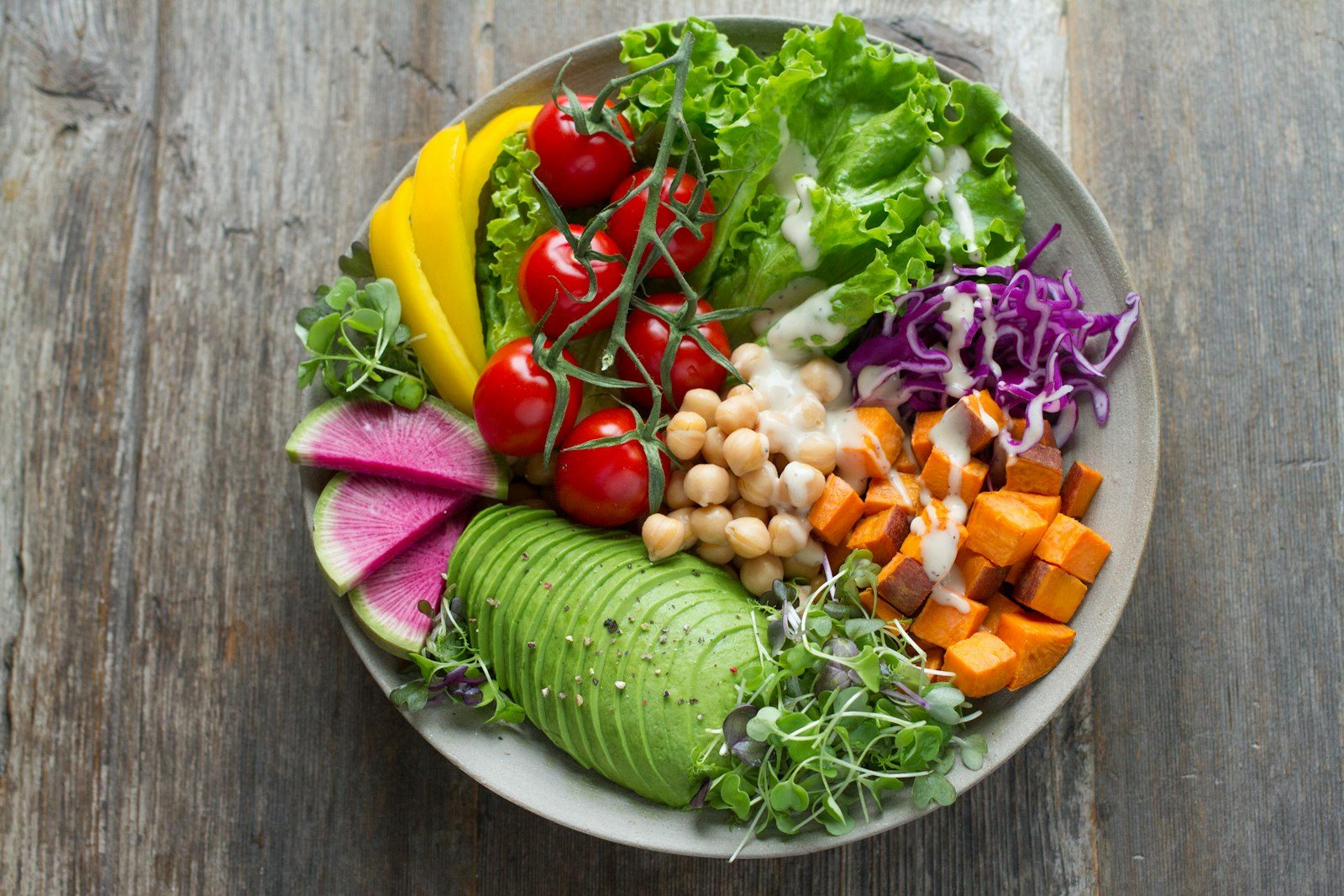
Anti-inflammatory nutrition emphasises a pattern that reduces choices feeding chronic low-grade inflammation and supports repair. Not a single “superfood”: overall diet quality, ultra-processed load, fibre, omega balance and meal timing matter.
Why is chronic inflammation critical?
Chronic inflammation can be linked with metabolic syndrome, joint discomfort, fatigue and cognitive fog. Longevity literature describes this process as “inflammaging”. Nutrition is one of the manageable parts of that load.
Supportive food groups
- Colourful vegetables and greens (polyphenols, fibre)
- Olive oil and fatty fish (monounsaturated fats, omega-3)
- Legumes, nuts, seeds
- Fermented foods (by personal tolerance)
- Adequate protein (for muscle and repair)
What to reduce
- Ultra-processed snacks and sugary drinks
- Trans fats and a heavy deep-fry culture
- Excess alcohol
- Very late and oversized meals
Practical plate model
- Half plate vegetables / salad
- Quarter plate quality protein
- Quarter plate complex carbohydrate (by personal need)
- A healthy fat source (olive oil, etc.)
For metabolic flexibility, carbohydrate timing and protein adequacy are considered together.
The Cellavia kitchen approach
At Kilikya Palace the programme menu is built on anti-inflammatory principles; portions and calories are planned personally. Detail: Hotel & Kitchen. Dietitian guidance is part of the camp; it does not replace medical diet therapy.
Gut–brain and inflammation
Fibre diversity and fermented foods (by tolerance) can support microbiota diversity. A highly ultra-processed pattern can raise both metabolic and inflammatory load. Looking at total diet quality is more scientific than “single food bans”.
Protein, muscle and ageing
Adequate protein intake can help protect muscle reserve. For longevity, muscle is not only aesthetic; it is a metabolic and functional organ. Protein need varies by age, activity and clinical status.
Sustainability in the camp kitchen
The aim is to leave habits that can be copied at home. Overly restrictive menus may “feel good” short-term and make adherence harder long-term. Cellavia’s kitchen works in a gourmet language, with anti-inflammatory principles and personalised portions.
Anti-inflammatory nutrition: weekly shopping skeleton
- Olive oil, fatty fish / omega-3 sources
- Leafy greens and colourful vegetables
- Legumes, nuts, seeds
- Fermented options (by personal tolerance)
- Reducing sugary drinks and ultra-processed snacks
The list is not a ban list; it is a skeleton that raises quality. Clinical allergy/intolerance cases are separate. The camp kitchen applies this skeleton in gourmet language: Hotel & Kitchen.
Invisible habits that can trigger inflammation
- Sleep debt (inflammatory load independent of food)
- Chronic psychosocial stress
- Excess alcohol + late-night eating
- Very low protein + very high ultra-processed carbohydrate
That is why a “just add turmeric” approach is insufficient. Anti-inflammatory nutrition should be read together with sleep, stress and movement. The camp kitchen shows this in practice.
Mediterranean pattern and camp kitchen
The anti-inflammatory approach often converges with a Mediterranean-type pattern: olive oil, vegetable diversity, fish, legumes, less processed food. Cellavia’s kitchen combines these principles with gourmet presentation; calories and portions are planned personally.
Nutrition alone is not enough; without sleep and stress management the effect of an “anti-inflammatory plate” can stay limited. That is why our articles are interlinked.
Experience the science on the plate
A 7-day programme with a personalised gourmet anti-inflammatory menu.
Book a pre-consultationFAQ
Is an anti-inflammatory diet a detox?
No. It is a sustainable eating pattern; it differs from short-term “detox” claims.
Do gluten and dairy cause inflammation in everyone?
No. Individual tolerance and medical conditions decide; blanket ban lists are not scientific.
Are supplements mandatory?
Whole foods are the foundation. Supplements are considered with physician/dietitian guidance when there is deficiency or clinical need.
This article is for information only and is not medical advice, diagnosis or treatment. Make health decisions with your physician.